

YORKTON – Guess what I have marked on my garden calendar for October? “Check on snow mold”.
Wait a minute, we don’t have snow yet, and snow mold is a spring problem. So why are we talking about it now?
There are certain things we can do at this time of year to help prevent snow mold next spring. For anyone who suffers from this kind of allergy, you know how nice it would be to avoid it! It is very disappointing, as spring arrives, to be sneezing and wheezing outdoors, after a long winter of waiting for spring activities.
So, let’s review. First of all, what is snow mold? Snow mold is a lawn fungus that appears once the snow begins to melt. There are two kinds of snow mold, a pink snow mold which can kill the grass and the roots, and the gray snow mold, more common here, which usually kills just the lawn blades above the soil line. This snow mold is called “typhula blight”.
Snow mold is a silent problem that quietly appears under the layer of snow on our lawns. If we get a heavy snowfall early, before the ground has really frozen, this makes ideal conditions for snow mold to develop. And then when spring arrives…. ah-choo!
But the good news is, we can do some lawn prep now that might discourage snow mold in the spring. First, we should make the lawn tidy. Mow it a bit shorter than we would in the summer. If there are any areas of lawn that are packed down or very thick, get out the rakes and loosen everything up before mowing. Once the leaves have fallen, mow again so that they don’t make a thick layer on the lawn.
As a sidenote: Here is where I’d like to encourage you to make good use of the leaves. They are rich in nutrients and are great to re-use in the garden. 1) Add them to your compost bin.
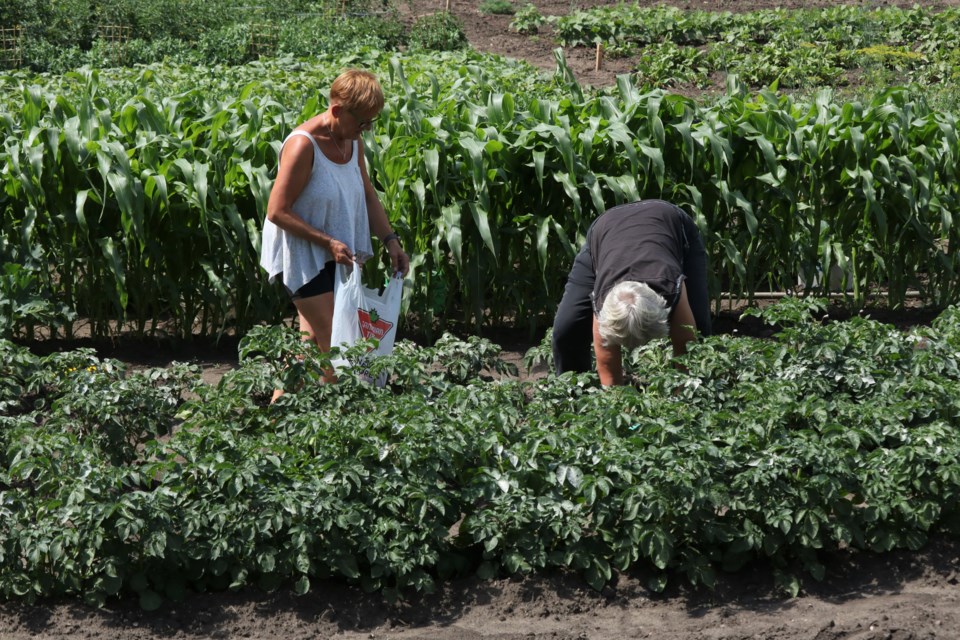
2) If you have no compost bin, you can do some trench-composting in your garden. (This is a simple method where we dig a trench, about 8 to 12 inches deep, and put down a thin layer of leaves and garden scraps like peels, then cover it over with soil. I mention “thin layer” because we want the material to mostly break down by next spring, so we don’t want it too deep. DO NOT, I repeat, DO NOT add any meat or dairy items, or any food leftovers that have been cooked already, because this could cause a problem with animals or rodents digging in the garden, thinking that we set out a lovely buffet for them! Don’t even go down that garden path!)
3) Use the leaves as winter cover for tender perennials. But save the actual “leaf installation” until the colder weather comes, because we want the plants to go dormant before they are made nice and cozy for winter.
Now that we’ve taken care of the leaves, back to our snow mold. We might think that if we fertilize our lawns now, they will be good and strong to face the winter. Right? Wrong. The lawns don’t need fertilizer adding nitrogen to make them grow now so that we have to fret about mowing it down before the snow arrives. Fertilizing is one task that we can save until spring!
So: three steps. Cut the lawns shorter. Loosen any thick patches of lawn. Remove leaves before snow falls. Then, we can all breathe easier next spring!
The Yorkton and District Horticultural Society will not be having any meetings open to the public until March 2026. But please visit us at www.yorktonhort.ca Thank you to our friends at YTW for their great work! Have a nice week, good luck with your fall garden tasks!