

YORKTON – It is easy to sit in awe of the constant advancements being made by science and technology.
At times the steps are so large, dynamic, paradigm shifting it is almost scary – perhaps the reason of the backlash of the few, (vocal as they may be) who fear science.
But without science we are back in the Dark Ages, and we most definitely need to look boldly to the future not regress.
So when I saw a recent producer.com article about the installation of a pyrolysis system on a Regina area farm I was intrigued.
The idea is that the unit will turn crop waste into biochar.
Biochar – and I admit I had to read the article to know what it is – is a product which enhances soil and sequesters carbon.
Now pyrolysis in itself new.
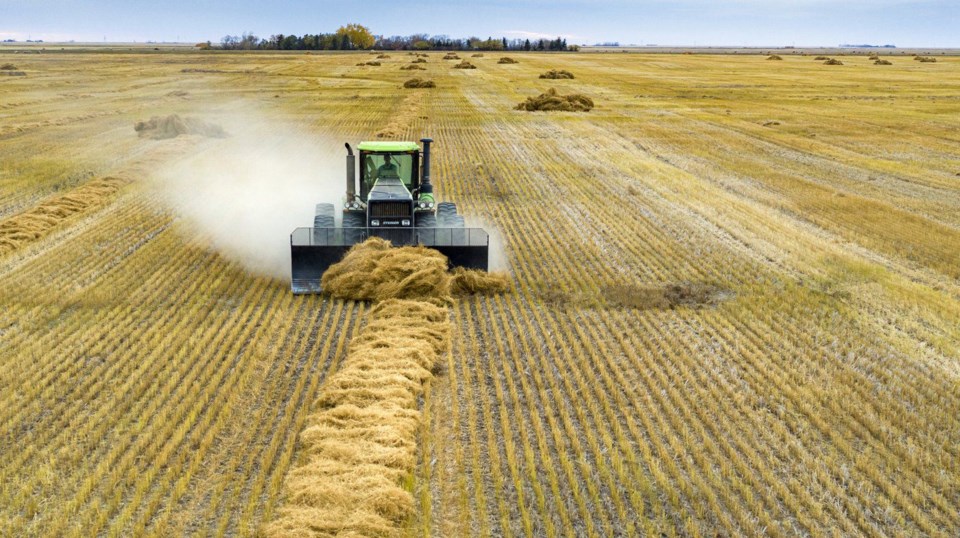
Pyrolysis involves baking, not burning of waste materials – in this case targeting field waste such as flax straw. The materials are broken down into a gas, a liquid and a solid char.
The process is intriguing because of its versatility — sources include poultry litter, cattle manure, crop waste and municipal solid wastes.
The latter is interesting as ever-changing environmental regulation make it increasingly costly for municipal landfills to expand to deal with waste.
The char ends up back in the field as a soil additive.
Certainly in the case of feedlot waste, field material not easily re-incorporated in the soil in particular flax straw, and municipal waste, is an effective way to essentially recycle worthwhile product is a hugely positive thing.
Of course there is the issue of logistics – something that is constantly a stumbling block on the rural prairies.
Whether it is the need to maintain more hospitals than the overall population warrants, maintaining all the miles of asphalt, or in this case gathering raw materials for pyrolysis, the vast size of the prairies adds to costs.
Regina may not seem so far away, but hauling waste from a Yorkton landfill, or an Estevan-area flax field might not make financial sense.
It was an issue when a flax fibre plant was located south of Canora, and a marketing hurdle of a pea chip plant once located at Kelvington.
Product on trucks coming or going from a plant add costs.
And, while the answer might lie in a number of smaller pyrolysis units the efficiency will be less.
Still, the pyrolysis process is another tech advancement – one that deals with waste and offers a positive soil additive. It is another example of why we need science – because it creates better options for our collective future.