

MOOSE JAW — Concerns are being raised this week about library funding following word of cutbacks to some services at Palliser Regional Library in Moose Jaw.
The controversy comes in the wake of a CBC News interview in which Arwen Rudolph, director of Palliser Regional Library, said funding from the province has stagnated and has not kept up with the Consumer Price Index.
As a result, she told CBC the library has been forced to cut back on databases such as Ancestry, and that it is reaching the point where it may have to cut something especially popular, such as the e-audiobooks service it subscribes to.
In the wake of that story, the Opposition New Democrats issued a news release Thursday in which they criticized the government over library funding. The NDP pointed to the Saskatchewan Party’s attempt to cut library funding in the 2017 budget, a decision that was quickly reversed.
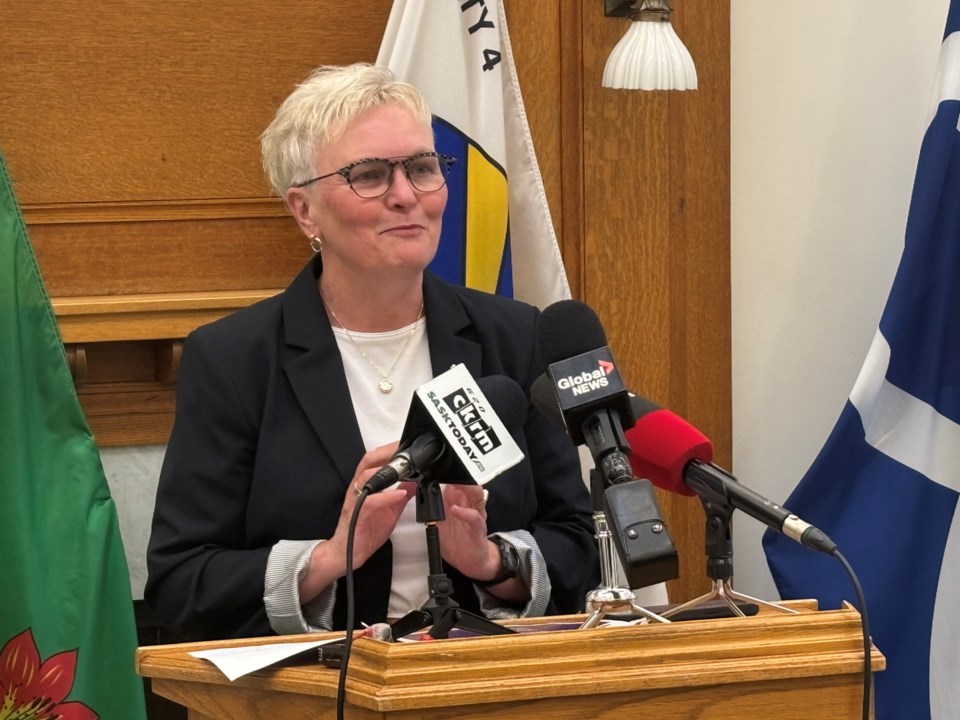
“These guys have tried this before — they don’t see the value in libraries, in teaching our young people — our future — literacy, how to be critical thinkers and about their place in this world,” said Joan Pratchler, NDP critic for early learning, in a statement.
“It’s despicable because these libraries are part of the community, and they’re critical to Saskatchewan’s future. Who doesn’t have a story about how much a library meant to them growing up or how a librarian inspired them to learn and read?”
As for the situation in Moose Jaw and elsewhere, Pratchler said “we should be investing in our future, not cutting.”
In response to the NDP’s concerns, the Ministry of Education issued its own statement Thursday, noting that provincial funding for Palliser Regional Library has increased over the past decade and has outpaced growth in the overall regional grant pool.
The ministry said that in 2025-26, “Palliser Regional Library received $725,656 from the regional library grant pool, representing a 5.6 per cent increase since 2015-16. Overall, the regional library grant pool has grown by nearly four per cent over the past decade.”
The ministry also states funding for Saskatchewan’s public library system had seen an increase of 11 per cent from 2010-11 ($9.95 million) to 2025-26 ($11.6 million).
The ministry also noted that in addition to provincial funding, regional library boards receive funding from municipalities under The Public Libraries Act, 1996. Municipal contributions are supported in part through Municipal Revenue Sharing, which has increased by 6.3 per cent.
The province also pointed to what it called “significant investments in library services,” including funding for internet access, in-province shipping of library materials and services for people with print disabilities. It said that in 2025-26, the Ministry of Education invested an estimated $400,000 to improve internet hardware in public libraries across Saskatchewan and covered approximately $1.1 million in shipping costs, which continue to rise each year.