


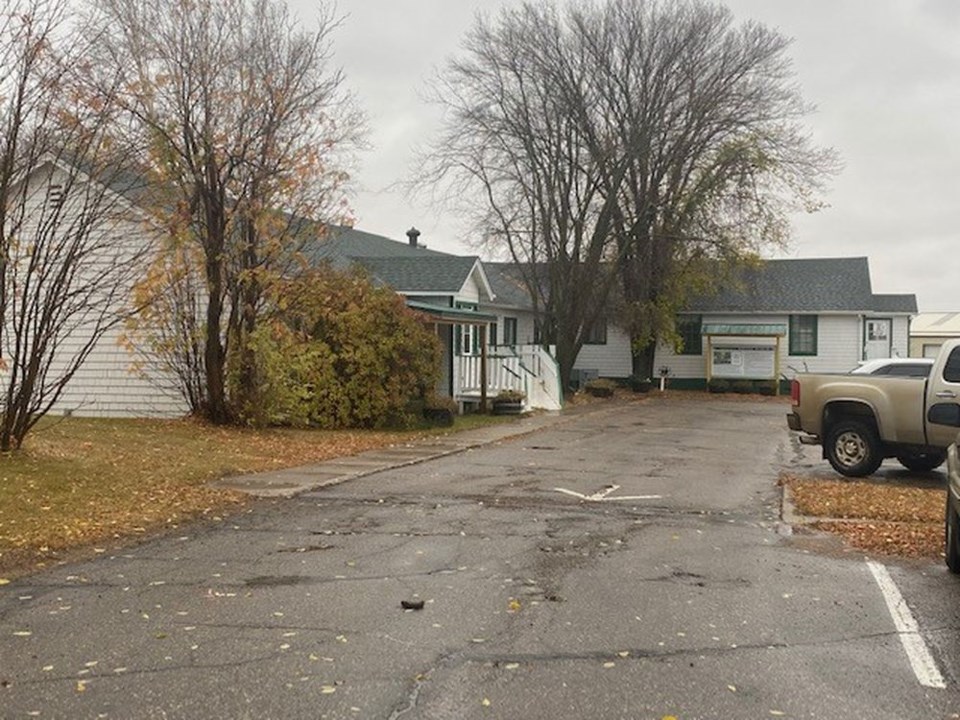
PREECEVILLE — As summer arrives across east-central Saskatchewan, local museums are reopening their doors and preparing for a season of community events, visitors, and cultural storytelling — all while navigating ongoing challenges with funding and volunteer recruitment.
Agnes Murrin, chair of the Preeceville and District Heritage Museum and a representative within the East Central Seneca Museums group, says most museums in the region operate seasonally, typically welcoming visitors from late May or early June through early September.
“Most of the museums in our group aren’t big enough to stay open year-round,” says Murrin. “But we’ve had our open houses, and we’re ready to go. Most sites have hired summer students or curators, so we’re up and running.”
Summer events highlight local heritage
Across the region, museums are planning a variety of events designed to draw visitors in and celebrate local heritage — with many activities centred around food and community gatherings.
In Preeceville, the highlight will be a Homemade Chili and Clay Oven Bread Day scheduled for July 9, during the town’s Old Home Week celebrations. The event will feature live music, homemade chili, and traditional bread baked in a clay oven.
“Our clay oven is very weather dependent,” Murrin said. “If the wind is wrong, it cools too quickly. But when it works, it’s a great experience.”
Other museums are also hosting signature events. The Doukhobor Heritage Museum in Veregin, for example, offers a popular Bellini Brunch, while many other sites host pancake breakfasts or food-themed gatherings to encourage attendance.
To help visitors plan their trips, the group promotes activities through its shared East Central Seneca Museums Facebook page, which includes a curated “road trip” video showcasing participating museums from Melville to Pelly.
“It’s a snapshot of everything we offer,” said Murrin. “Each museum is unique, and the video helps people see what’s out there.”
Unique museums with distinct focus
The museums within the Seneca group each have their own historical focus, reflecting the communities they serve. The Preeceville museum, for example, highlights pioneer life, with strong ties to Ukrainian, Scandinavian and English settlers.
The facility itself is notable: a former World War II Air Force building relocated from Yorkton and converted into a museum. Inside, visitors can explore 25 themed rooms, each dedicated to a different aspect of local history.
“Having themed rooms makes it easier for visitors,” says Murrin. “If someone is looking for something specific, we can guide them right to it.”
Other museums in the network also offer distinctive experiences — from multi-story heritage buildings in Melville to a former police barracks converted into the Fort Pelly museum.
Challenges: volunteers and funding
Despite the enthusiasm surrounding the summer season, museums continue to face significant challenges.
Chief among them is finding volunteers.
“We should have about 12 board members, but we only have six,” Murrin said. “In small communities, it’s often the same people volunteering, and they can get burned out.”
Recruitment has proven difficult, particularly among younger generations who balance work and family commitments.
Funding is another persistent concern. Museums rely heavily on grants, fundraising, and community donations to cover costs such as building maintenance and staffing. Hiring summer students — often at minimum wage — represents a significant expense for smaller organizations.
“For a small museum, paying a student for a couple of months is a big commitment,” Murrin said. “Grant writing is crucial, but it’s also time-consuming.”
While some larger institutions have been successful in securing funding, smaller museums often lack the capacity to pursue extensive grant opportunities.
Preserving the past for the future
Beyond events and displays, much of the work happening behind the scenes focuses on preserving historical materials. At Preeceville, that includes sorting decades of archived newspapers dating back to the 1930s.
“There’s such a story in those papers,” said Murrin. “I don’t want to lose any of it.”
The museum also takes careful measures to protect delicate artifacts, including textiles and traditional Ukrainian wedding cakes, which are stored and displayed to avoid damage from pests and environmental conditions.
Despite the obstacles, Murrin emphasizes that passion keeps these museums alive.
“You have to care about it,” she said. “Everyone involved in our group wants to keep these places open and accessible.”
As the summer tourism season begins, residents and visitors alike are encouraged to explore the region’s museums — whether by attending events, volunteering, or simply stepping inside for the first time.
“You’d be surprised how many people say they’ve never been in their local museum,” says Murrin. “We’d love to change that.”