


Diesel prices have spiked. Dyed diesel for farm use is now over $2.00 a litre, nearly double what it was a year ago.
It’s not unusual for a large combine to burn 80 litres of diesel for each threshing hour. For a farm putting 200 separator hours on a combine, that’s a diesel fuel bill of $32,000.
Of course, a combine also burns fuel while travelling between fields. Grain trucks and the tractors pulling carts and running augers also burn diesel.
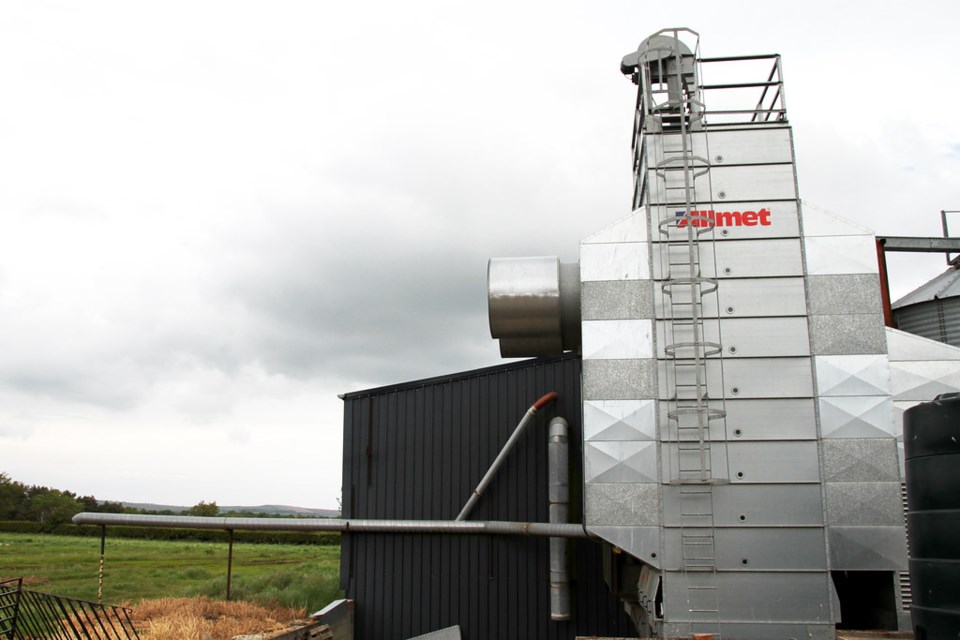
More diesel is required when the ground is soft and crops are tough. A great deal of money will be spent on propane and natural gas to dry crops for safe storage.
Meanwhile, nitrogen fertilizer prices are on the increase. During the summer, urea prices saw a reset and were well under $800 a tonne for a while.
It was a good time to price fertilizer for next year’s crop. Now, urea prices are in the $900 a tonne range and going higher. Phosphate prices, 11-52-0, never did see a price reset and have remained very high, currently around $1400 a tonne.
While some grain prices are showing a bit of strength, many crops remaining in the field are likely to see quality loss.
Crops like canola and flax generally withstand wet weather well and a lot of lentils and peas have already been harvested.
However, wheat, durum, barley and oats are likely to see weight and grade losses leading to lower prices.