

YORKTON, Sask. — As communities across Canada prepare to mark the National Day for Truth and Reconciliation, Yorkton Tribal Council Chief Isobel O'Soup says education remains critical to understanding the lasting impacts of residential schools and the challenges Indigenous people continue to face today.
O'Soup said many Canadians remain unaware of the history of residential schools and the intergenerational trauma they caused, despite years of public discussion and the release of the Truth and Reconciliation Commission's 94 Calls to Action.
The Calls to Action were released more than a decade ago, but O'Soup believes there is still considerable work to be done to increase public awareness and understanding.
"We didn't start off as drug addicts and alcoholics and all the social issues that a lot of people see with Indigenous communities," she said. "That was not how my people were."
O'Soup said the effects of residential schools continue to be felt generations later, with many Indigenous families still coping with the trauma caused by children being removed from their homes and communities.
"No parent, whether you're Caucasian or German or whatever nationality you are, if somebody comes and takes your kid away and you have no say in it, how are you expected to live?" she said.
While the discoveries of unmarked graves at former residential school sites have brought renewed attention to survivors' experiences, O'Soup said some people continue to question or deny that history.
"Whatever school you graduated from, you're called a graduate, you're not called a survivor," she said. "Yet when we talk about residential schools, everybody is a survivor because that's how bad it was."
Part of reconciliation, O'Soup said, involves helping Indigenous people heal while also educating non-Indigenous Canadians about the realities of the residential school system and government policies that disrupted traditional ways of life.
"Our biggest job is to educate, make aware and help people understand," she said.
For those wanting to learn more, O'Soup recommends participating in the Kairos Blanket Exercise, an interactive workshop that explores Indigenous history and the effects of colonization.
"If you have a heart, it'll leave you with a new perspective," she said.
O'Soup said education is especially important for younger generations, although discussions about residential schools must be approached in age-appropriate ways.
"It's the kids that we really need to have know the true history," she said.
Four years ago, O'Soup challenged Yorkton Tribal Council staff to wear orange every Friday rather than limiting recognition to Sept. 30. The initiative continues today as a way to honour survivors year-round.
"Our survivors and our non-survivors need more than one day out of the year to be recognized," she said.
O'Soup is encouraging community members to wear orange not only on the National Day for Truth and Reconciliation, but throughout the year.
"We do it for the Riders. People wear green every Friday," she said. "I think if we can contribute to the honouring and remembering and understanding, that's the most we can do."
Yorkton Tribal Council will host its Orange Shirt Day and National Day for Truth and Reconciliation event Sept. 30.
The day will begin with T-shirt distribution at 9 a.m. at the Yorkton Tribal Council offices, 63 King St. E. An opening prayer, remarks and a commemorative walk to City Centre Park will follow at 10 a.m. Welcoming comments are scheduled for 11 a.m., followed by lunch at noon and guest speakers from 1 to 3 p.m.
The event is open to community members, families, friends and supporters and is intended to honour residential school survivors, remember the children who never returned home and encourage continued reflection on reconciliation.
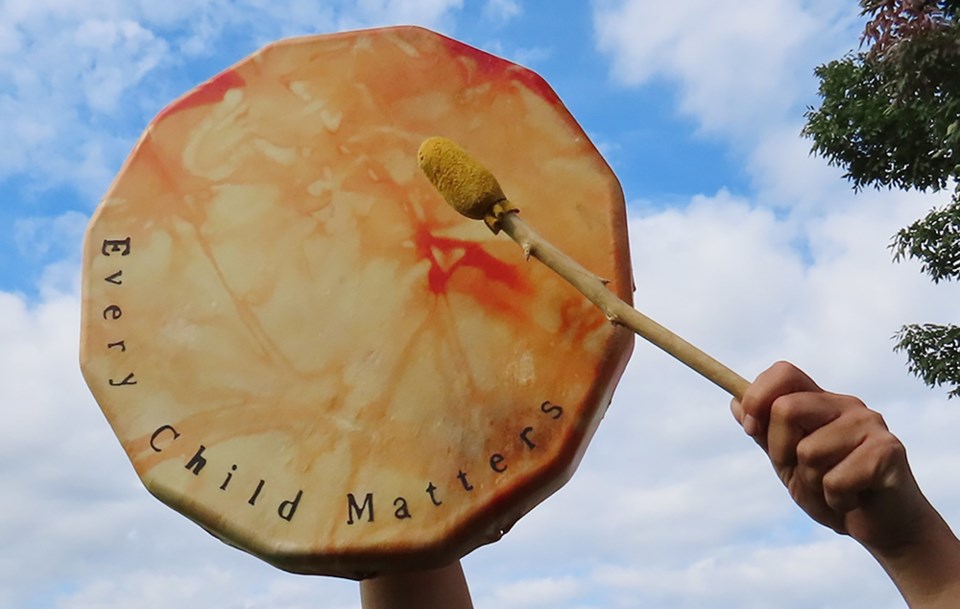
"Every Child Matters," O'Soup said.