

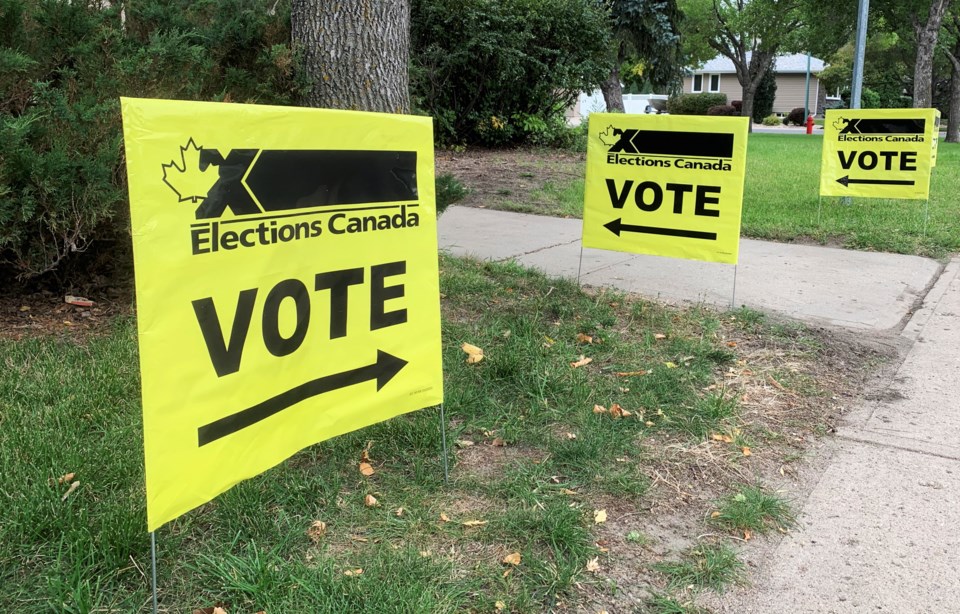
YORKTON, Sask. — Rural voters across Saskatchewan will soon choose councillors and reeves in municipal elections that differ from provincial and federal votes, with a staggered election system that Saskatchewan Association of Rural Municipalities (SARM) president Bill Huber says helps maintain continuity in local government.
Unlike provincial and federal elections, rural municipal elections in Saskatchewan are held every two years, with only a portion of council seats contested during each election cycle. In most rural municipalities, councillors representing odd-numbered divisions and the reeve are elected in one cycle, while councillors from even-numbered divisions are elected two years later.
Huber said the staggered system helps ensure municipalities retain experienced leadership.
"The biggest thing would be that we don't lose all our councillors at one time," he said. "If every division and the reeve were elected in the same year, there would always be the possibility of losing everyone at once. The staggered system provides stability and keeps experienced people on council."
To vote or run in a rural municipal election, residents must live in the municipality or own or rent property within its boundaries.
While some rural municipalities see contested races, Huber said many council positions are filled by acclamation. Even so, most vacancies are eventually filled by residents willing to serve their communities.
"There are always people who step forward because they recognize the need for good governance," he said.
Recruiting candidates can be more challenging in some municipalities, particularly as older generations retire from farming and community leadership roles.
Huber said younger producers are often operating larger farms and businesses, leaving them with less time to take on municipal responsibilities.
"It's not a high-paying job," he said. "Most of us certainly aren't in it for the money."
Despite those challenges, Huber said he has noticed more younger people becoming involved in municipal government.
"As we attend conventions, we're seeing some new faces and not so much grey hair," he said. "There are younger people stepping up because they're concerned about infrastructure and the future of their municipalities."
Voter turnout in rural municipal elections generally remains strong, he added, estimating participation often falls between 60 and 75 per cent.
Issues surrounding roads, bridges and infrastructure funding remain among the most common concerns raised by rural residents.
"We're always looking at roads and bridges and the funding needed to maintain them," Huber said. "Those are issues that directly affect residents and agriculture producers."
As election day approaches, Huber encourages voters to learn about the candidates seeking office and the qualifications they would bring to council.
"It is a big responsibility," he said. "Councillors are accountable to their ratepayers. People should be looking for candidates who are level-headed, business-minded and willing to represent the interests of the municipality as a whole."