


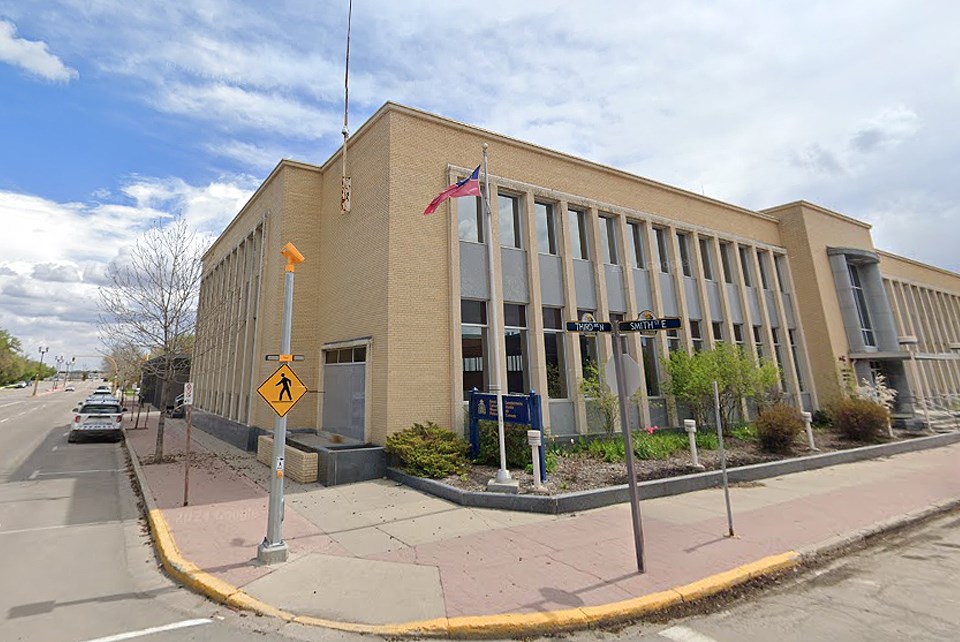
YORKTON, Sask. — Yorkton city council has approved a new redevelopment plan that will guide investment, policy changes and revitalization efforts in the city's downtown and West Broadway corridor over the next 10 years.
Council adopted the Downtown and West Broadway Corridor Redevelopment Plan at its Oct. 19 meeting, replacing a plan that had been in place since 2005.
The updated strategy follows nearly a year of consultation and engagement involving residents, business owners, community organizations and stakeholders. The plan was prepared by V3 Companies of Canada in conjunction with Wallace Insights.
According to administration, the new document is intended to be more action-oriented and financially realistic than its predecessor, focusing on achievable projects and measurable outcomes rather than long-range visioning exercises.
The plan divides the redevelopment area into four distinct sections: West Broadway, a transition area, the downtown core and a designated intensification area where redevelopment efforts will be concentrated.
Administration said narrowing the focus area will allow the city to direct resources toward projects with the greatest potential impact while taking a more flexible approach to lands along West Broadway and the transition zone between the corridor and downtown.
The strategy contains nearly 100 action items organized into four implementation phases extending through 2036.
Early priorities include regulatory and zoning changes, parking improvements, downtown programming, enhanced lighting and incentives designed to encourage private investment.
Among the recommendations are suspending paid on-street parking downtown, increasing public events and markets, improving streetscape features and expanding incentives for redevelopment and building improvements.
The plan also identifies residential growth as a key component of downtown revitalization, with a focus on attracting more people to live in and around the core to support businesses and increase activity throughout the area.
For West Broadway, the document calls for the creation of a distinct identity separate from downtown while pursuing long-term improvements to pedestrian connections, transit infrastructure and redevelopment opportunities. The plan also identifies attracting a grocery store to the west side of the city as a priority.
Mayor Aaron Kienle said the new document provides a framework for future decision-making while recognizing that projects will move forward as funding becomes available.
"There's been a lot of conversation around the new downtown plan," Kienle said. "This is replacing a plan that's a few decades old."
He said the previous plan helped guide downtown development for many years and will continue to serve as a reference point, but the newly adopted strategy will now shape future priorities.
"As we have budget and it becomes different priorities and checkpoints are hit, we'll continue working down this plan," Kienle said. "As much as the plan is implemented, it'll now be a matter of budget and planning coming to council to move forward."
Administration said the phased approach is designed to ensure larger capital projects only move forward after earlier initiatives demonstrate measurable success.
Community consultation included public workshops, open houses and online surveys. Nearly 500 responses were received during the first survey phase, while the Yorkton Business Improvement District, city staff, council members and the Planning and Infrastructure Commission also provided input.
The Yorkton Chamber of Commerce expressed general support for the plan during a public hearing held earlier this fall.
The redevelopment project was originally approved with a budget of $100,000, most of which has been spent on developing the plan. Future projects and expenditures will be considered through the city's annual budget process.
Administration noted that while some recommendations will require future capital investment, many of the proposed actions are low-cost initiatives that can be implemented in the short term. However, carrying out the plan's recommendations will place additional demands on existing staff resources.
With council's approval, the October 2026 plan officially replaces the 2005 Downtown and West Broadway Corridor Redevelopment Plan and will serve as the city's primary roadmap for redevelopment efforts over the next decade.